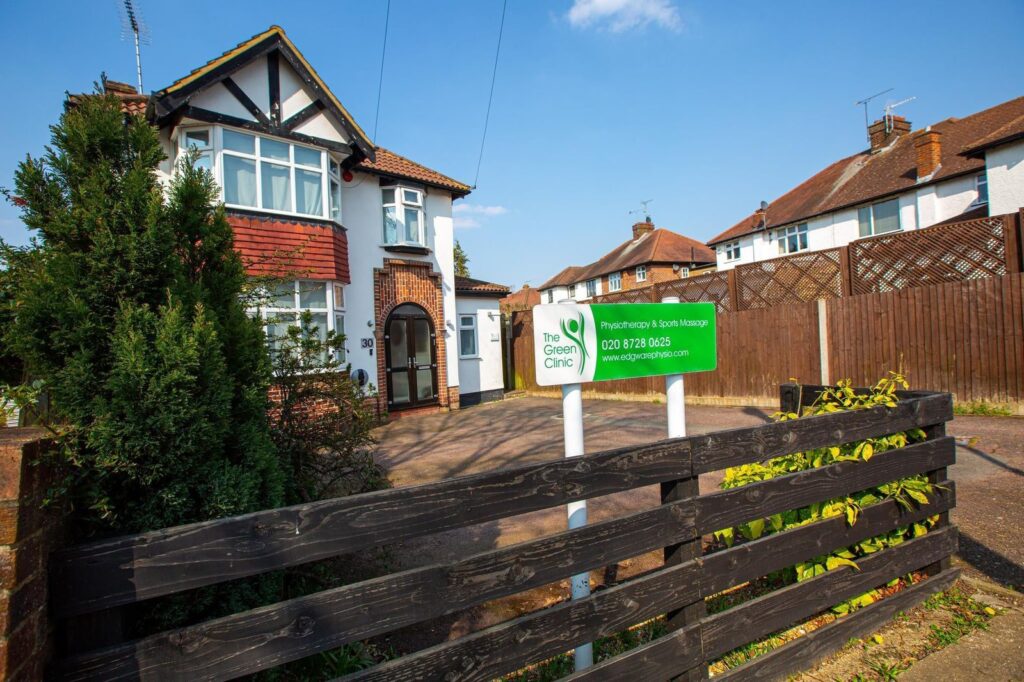

Headaches are common, but some deserve urgent attention. The key is to separate routine tension or migraine episodes from “red flag” symptoms that may signal a medical emergency. At The Green Clinic in Edgware, our role is twofold: help you recognise when to seek urgent care, and—when it’s not an emergency—assess the whole body to identify and treat the root causes of persistent headaches with evidence-informed physiotherapy, manual therapy, acupuncture, and tailored exercise.
What counts as a “serious” headache?
A serious (or secondary) headache is one linked to another medical problem—such as a bleed on the brain, meningitis or significant head trauma. Warning signs often relate to how quickly the pain starts, how severe it feels, and what else is happening in your body (for example, fever, confusion, or weakness). A thunderclap headache—sudden and extremely painful, reaching peak intensity within minutes—is a classic red flag and requires immediate medical assessment. (NICE, nhs.uk)
Headache red flags—seek urgent help now
Call 999 or go to A&E immediately if a headache follows a significant head injury; if it comes on suddenly and is extremely painful; or if severe head pain occurs with any of the following: new difficulty speaking or remembering, loss of vision, drowsiness or confusion. If meningitis is a possibility—fever, severe headache, neck stiffness, a rash, or rapid deterioration—treat it as an emergency. The NHS advises using emergency services for these scenarios; do not drive yourself.
A very sudden, “worst-ever” headache can indicate a subarachnoid haemorrhage (a type of stroke caused by bleeding on the surface of the brain). While not every thunderclap headache is a bleed, it must be investigated urgently because delayed diagnosis worsens outcomes.
When to see your GP or NHS 111 soon
If it’s not an emergency but you’re worried, seek prompt advice if you have a new or changing headache pattern; headaches that are frequent and worsening; pain not responding to usual pain relief; headaches triggered by exertion or coughing; or head pain accompanied by neck stiffness, persistent vomiting, or sensitivity to light. If you’re unsure, NHS 111 can help you decide the right next step. The NHS pages list practical thresholds for when to book urgent GP review or go to A&E. (nhs.uk)
How physiotherapy helps when it isn’t an emergency
Many recurrent headaches are driven by musculoskeletal factors—neck or jaw dysfunction, postural strain, or muscle tension. After screening for red flags, our clinicians assess posture, movement, strength, breathing patterns, sleep and stress, then build a plan that treats causes, not just symptoms. Treatment may include hands-on manual therapy (gentle or firm as appropriate), deep tissue/sports massage to release stubborn tension, acupuncture to modulate pain and support relaxation, and progressive rehabilitation exercises to restore mobility and control. We also provide ergonomic advice for work and study, Pilates-style conditioning for postural endurance, and 1-to-1 training to return you to sport safely.
This whole-body approach suits both adults and children, and it’s tailored to your lifestyle and goals—whether you’re trying to reduce headaches that build through the workday, or episodes linked to neck stiffness after long drives or training. Our aim is to restore your previous level of fitness and reduce the risk of recurrence, with periodic reviews to ensure you’re progressing.
Simple self-checks before you panic
Ask yourself: did you sleep poorly, skip meals, or become dehydrated? Are you staring down at a phone or laptop for hours? Gentle “movement snacks” help—small bouts of neck range-of-motion, shoulder-blade squeezes, and slow nasal breathing to reduce neck and jaw tension. Adjust your workstation so the screen is at eye level, forearms are supported, and feet rest flat. Keep a brief headache diary to spot triggers like late nights, bright light, or unaccustomed intense exercise. If symptoms persist or patterns suggest neck/jaw involvement, book an assessment so we can examine the underlying mechanics and design a plan that sticks.
A quick summary you can trust
- Call 999 / go to A&E now for sudden, extremely painful headaches; head injury with headache; or severe head pain with confusion, speech or vision problems, or suspected meningitis.
- Thunderclap headaches are medical emergencies—get assessed urgently to rule out a bleed.
- If it’s not urgent, but headaches are frequent, worsening, or linked to neck/jaw strain, a holistic physiotherapy assessment can help address the root causes.
Need clarity on your headaches? If you’re in or around Edgware, book an assessment at The Green Clinic. We’ll screen for red flags, coordinate with your GP when necessary, and provide a personalised plan—physiotherapy, manual therapy, acupuncture, Pilates and targeted rehabilitation—to reduce pain and prevent recurrences. Contact Us now!