
Feeling tired all the time? Struggling with joint aches, low energy, or finding that even light physical activity leaves you feeling depleted? If this sounds familiar, there could be more to it than just being overworked or lacking sleep. At Green Clinic, we often find that people experiencing this type of fatigue may be living with hypermobility, often without even knowing it.
What Is Hypermobility?
Hypermobility refers to joints that move beyond the normal range of motion. While many people associate it with being “double-jointed” or flexible, it’s much more than just extra mobility. For some, hypermobility causes no issues at all. But for others, it can be linked to chronic fatigue, muscle and joint pain, and a variety of symptoms that can leave you feeling completely run down.
Why Hypermobility Makes You Feel Tired
Living with hypermobility can place continuous demands on the body. Because joints are more mobile than they should be, the surrounding muscles and tissues must work harder to stabilise them. This often leads to:
-
Poor posture – Maintaining a straight spine and neutral body alignment feels like hard work, and over time this contributes to fatigue and discomfort.
-
Ongoing muscle or joint pain – Especially in the back, knees, shoulders, and hips, where extra movement strains the joints.
-
Reduced energy levels – Everyday tasks take more effort, so energy reserves are quickly drained.
-
Weakened immune response – When the body is constantly overcompensating physically, it leaves fewer resources for immunity and recovery.
These issues don’t just impact your body — they can take a toll mentally and emotionally, too. It’s frustrating when you try to stay active but feel worse afterwards, or when you’re constantly mislabelled as “lazy” or “out of shape.”
Is Exercise Making You Worse?
For many hypermobile individuals, exercise becomes a double-edged sword. Movement is vital to strengthen the body and support healthy joints — but without proper guidance, it’s easy to overdo it or choose the wrong kind of activity. This often leads to:
-
Increased fatigue
-
Flare-ups of pain
-
Long recovery periods after even mild exertion
-
A loss of confidence in physical activity
At Green Clinic, we regularly see people who have tried to get fitter but ended up feeling worse. The problem isn’t exercise itself — it’s that their body needs a specialised, structured approach tailored to the demands of hypermobility.
The Importance of Professional Support
Hypermobility is frequently underdiagnosed or misunderstood, even within the medical community. That’s why working with clinicians who are experienced in identifying and managing this condition is essential. At Green Clinic, our Chartered Physiotherapists take the time to assess your symptoms, movement patterns, and underlying postural imbalances.
We then create a personalised treatment plan that may include:
-
Physiotherapy – To improve joint stability, reduce pain, and retrain movement habits.
-
Pilates – A gentle but powerful way to strengthen core muscles, improve balance, and promote joint alignment.
-
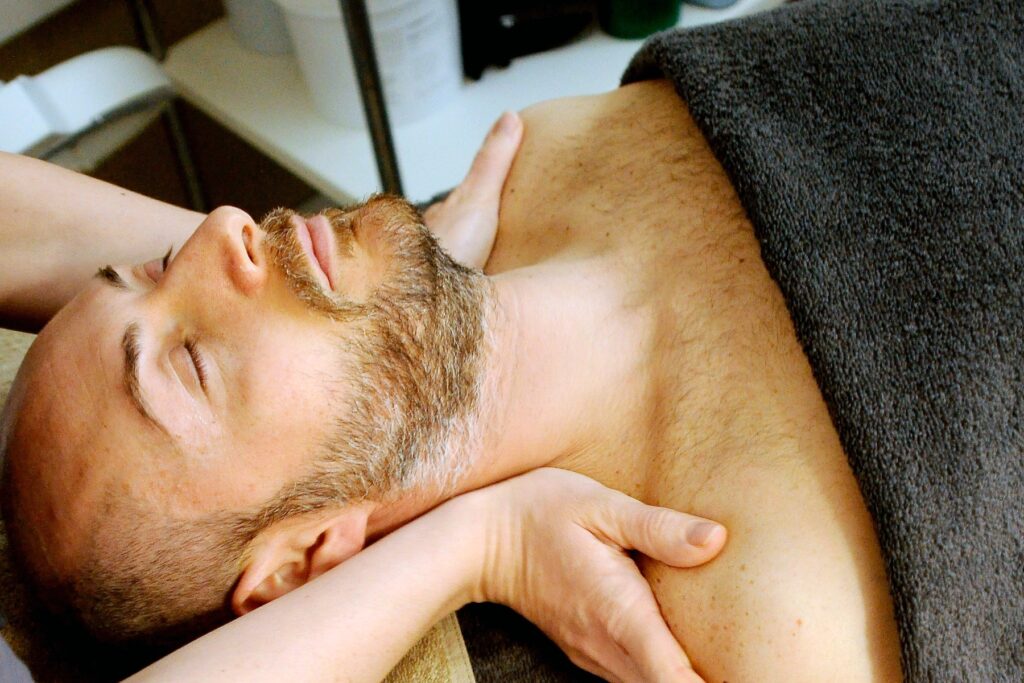
Deep Tissue or Sports Massage – To relieve muscular tension and support circulation.
-
Acupuncture – A holistic technique that can reduce pain, promote healing, and support relaxation.
-
Personal Training – With a tailored approach to ensure safe and effective fitness progression.
-
Home Visits – If mobility or energy is low, our team can deliver care in the comfort of your own home.
-
Paediatric Physio – For children showing early signs of hypermobility, including clumsiness, fatigue, or difficulty sitting still.
Each plan is guided by your specific needs and energy levels, helping you improve your quality of life without overloading your system.
Boosting Immunity and Recovery
Alongside physiotherapy and movement-based support, certain nutritional strategies can help manage the fatigue and immune challenges linked to hypermobility. Our practitioners often recommend discussing the use of vitamin and mineral supplements such as:
-
Vitamin C – To support immune function and collagen production.
-
Vitamin D – Vital for bone health, muscle function, and energy levels.
-
Magnesium – Helps reduce muscle cramps and improve sleep.
-
Zinc – Supports healing, immunity, and reduces inflammation.
While supplements aren’t a cure on their own, they can significantly aid your recovery when used under professional guidance as part of a holistic care plan.
Why Choose Green Clinic?
At The Green Clinic, we are passionate about whole-person care. Whether you’re dealing with a diagnosed condition like Ehlers-Danlos Syndrome (EDS), suspect you may be hypermobile, or are simply feeling chronically tired and sore, we’re here to help. Our team combines expert knowledge with a warm, supportive approach to help you regain control of your health.
Located in Edgware, we’re easily accessible from Mill Hill, Stanmore, and surrounding areas. We pride ourselves on providing evidence-based care that empowers you to feel stronger, move better, and live with greater ease.
Book Your Appointment With Us
If you’re feeling constantly run down, don’t wait for things to worsen. Contact Stephen or Judith, our Chartered Physiotherapists, to book your consultation and start your journey towards better health.
020 8728 0625 | www.edgwarephysio.com